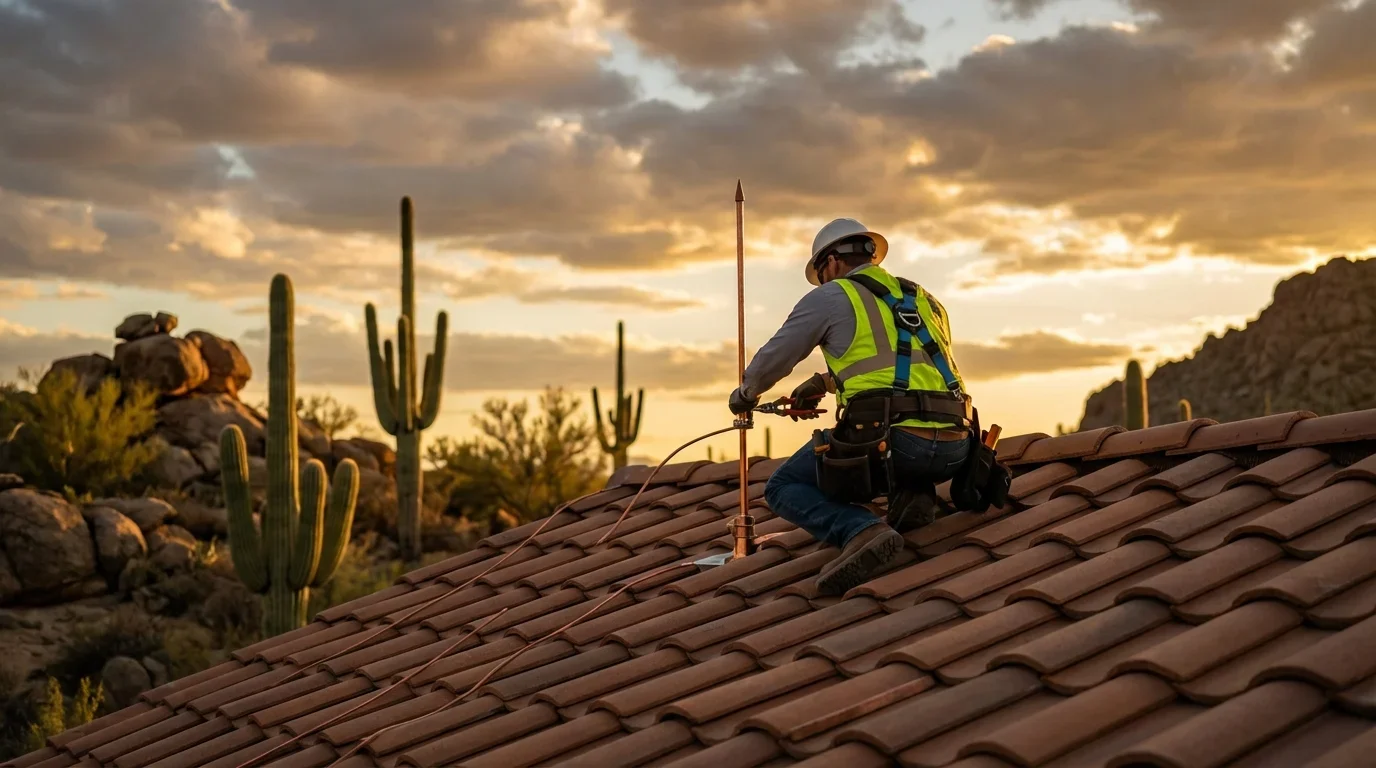
Protect Your Property Before Lightning Strikes
Arizona's monsoon season brings spectacular storms—and devastating lightning damage. Without proper protection, one strike can destroy electronics, start fires, or compromise your building's structural integrity.
- Whole-building lightning protection systems
- Prevents fire, electrical damage, and costly repairs
- Expert installation for homes and commercial properties
⚠ Common Issues
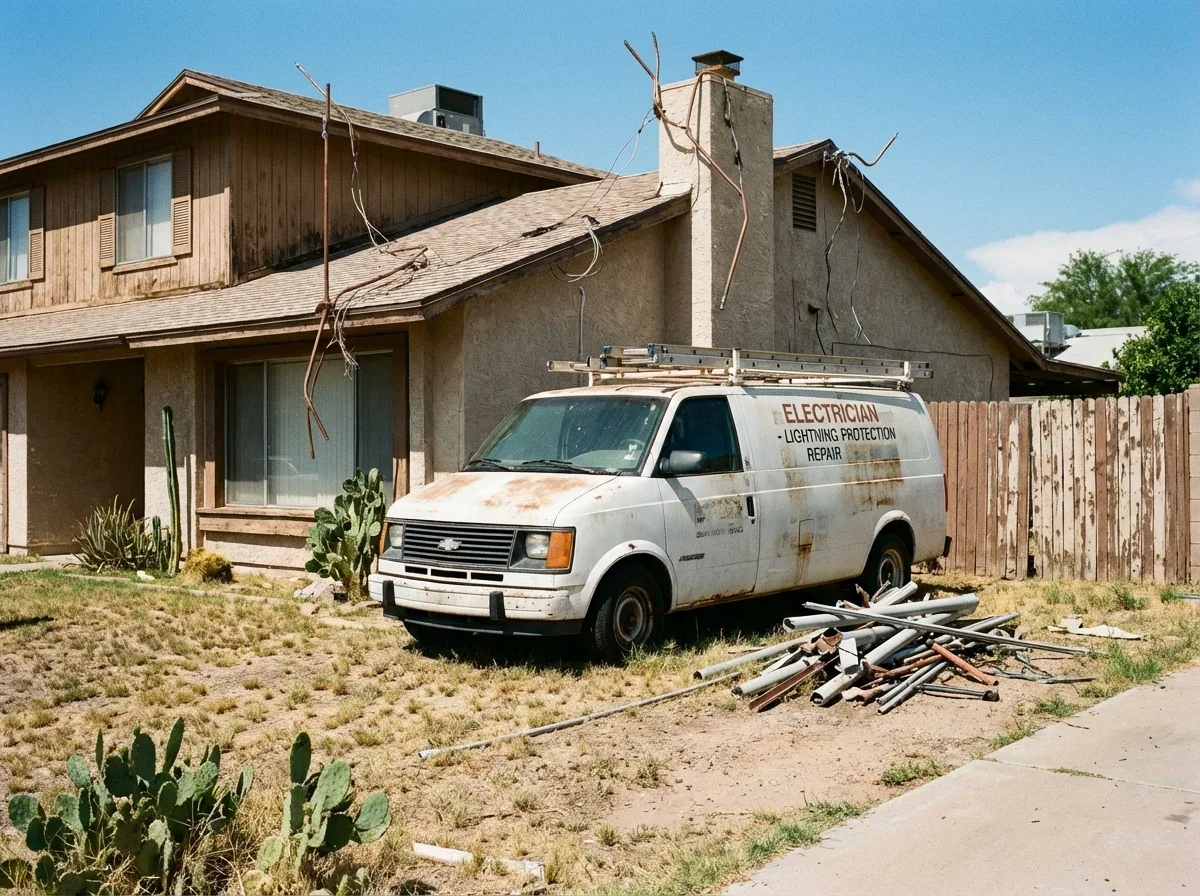
When Do You Need Lightning Protection in Arizona?
Phoenix metro sees over 300,000 cloud-to-ground lightning strikes every year. Most hit between June and September when monsoon storms roll through with almost no warning.
You're watching the news show another house fire in Scottsdale started by a direct strike. Your neighbor in North Phoenix just replaced $15,000 worth of electronics after lightning traveled through their electrical system. Every monsoon season, you're rolling the dice.
The elevated areas get hit hardest. Cave Creek, North Scottsdale, the Superstition foothills near Mesa — anywhere with exposure and height sees higher strike density. Commercial buildings with metal roofing or communication equipment are magnets for strikes.
Here's what people don't realize: Whole-home surge protectors only handle electrical surges. They do NOTHING against a direct lightning strike. A strike carries millions of volts. It will find ground — through your roof, your walls, your plumbing, whatever's in the way.
Without a proper lightning protection system, that energy has nowhere to go except through your building. The results: structure fires, exploded electrical panels, destroyed HVAC systems, fried smart home equipment, even foundation damage from super-heated ground rods.
Insurance companies in Gilbert and Chandler are starting to ask about lightning protection during commercial policy underwriting. Some are offering premium discounts for certified installations. The system pays for itself in risk reduction alone.
You need protection if you have:
- A building in an elevated or exposed location
- Metal roofing or significant metallic structural components
- Expensive electrical or communication systems
- Solar panels (which actually increase strike risk)
- A building over two stories
- Previous strike damage or near-misses
The monsoon season runs six months. Waiting until after a strike means paying for both repairs AND the protection system you should have installed first.
$ Cost Guide
What Does Lightning Protection Cost in Arizona?
Real numbers for the Valley: residential systems run $2,000 to $4,500 for a typical single-story home. Two-story homes in Tempe or Surprise with complex rooflines push toward $5,000-$6,500. That's a one-time investment versus tens of thousands in potential strike damage.
Residential System Pricing
| Home Size/Type | System Cost | What's Included |
|---|---|---|
| Single-story, simple roof (1,500-2,000 sqft) | $2,000-$3,200 | 4-6 air terminals, conductor cables, 2 ground rods |
| Two-story or complex roof (2,500-3,500 sqft) | $3,800-$5,500 | 8-12 air terminals, bonding to metal features, upgraded grounding |
| Large estate or metal roof (4,000+ sqft) | $6,000-$9,000 | Full perimeter coverage, multiple down conductors, surge protection integration |
Tile roofs — common in Chandler and Peoria — add labor time for proper terminal mounting without compromising the tiles. Metal roofs require bonding the entire roof surface into the system.
Commercial Installation Costs
Commercial pricing scales with building height and complexity. A single-story retail building in Glendale might run $8,000-$12,000. Multi-story office buildings or industrial facilities with rooftop equipment can exceed $25,000.
The calculation factors:
- Building height and roof area
- Number of metallic penetrations (vents, pipes, HVAC units)
- Grounding system requirements (soil conductivity in Arizona varies significantly)
- Integration with existing electrical systems
- Communication tower or antenna protection
Factors That Affect Your Quote
Soil conductivity changes everything. Arizona's rocky, low-moisture soil conducts poorly. That means more ground rods, deeper installation, sometimes chemical ground enhancement. A building in Buckeye's sandy areas grounds differently than one in Cave Creek's granite.
The grounding system often represents 30-40% of total installation cost. You need multiple ground rods driven 10+ feet deep, bonded together in a ground ring. Some installations require ground enhancement materials or expanded grounding fields.
Other cost factors:
- Roof accessibility and pitch
- Distance from roof to ground level
- Existing electrical panel capacity for surge protection integration
- Building occupancy (occupied buildings require more safety measures during installation)
- Certification and inspection requirements
Many contractors bundle surge protection with lightning protection installation. The two systems work together — lightning protection handles the strike itself, surge protection manages the electrical transients that come with it. Budget $800-$2,000 additional for whole-building surge protection devices.
Insurance documentation and UL Master Label certification add $300-$600 but provide proof for policy discounts and resale value.
→ What to Expect
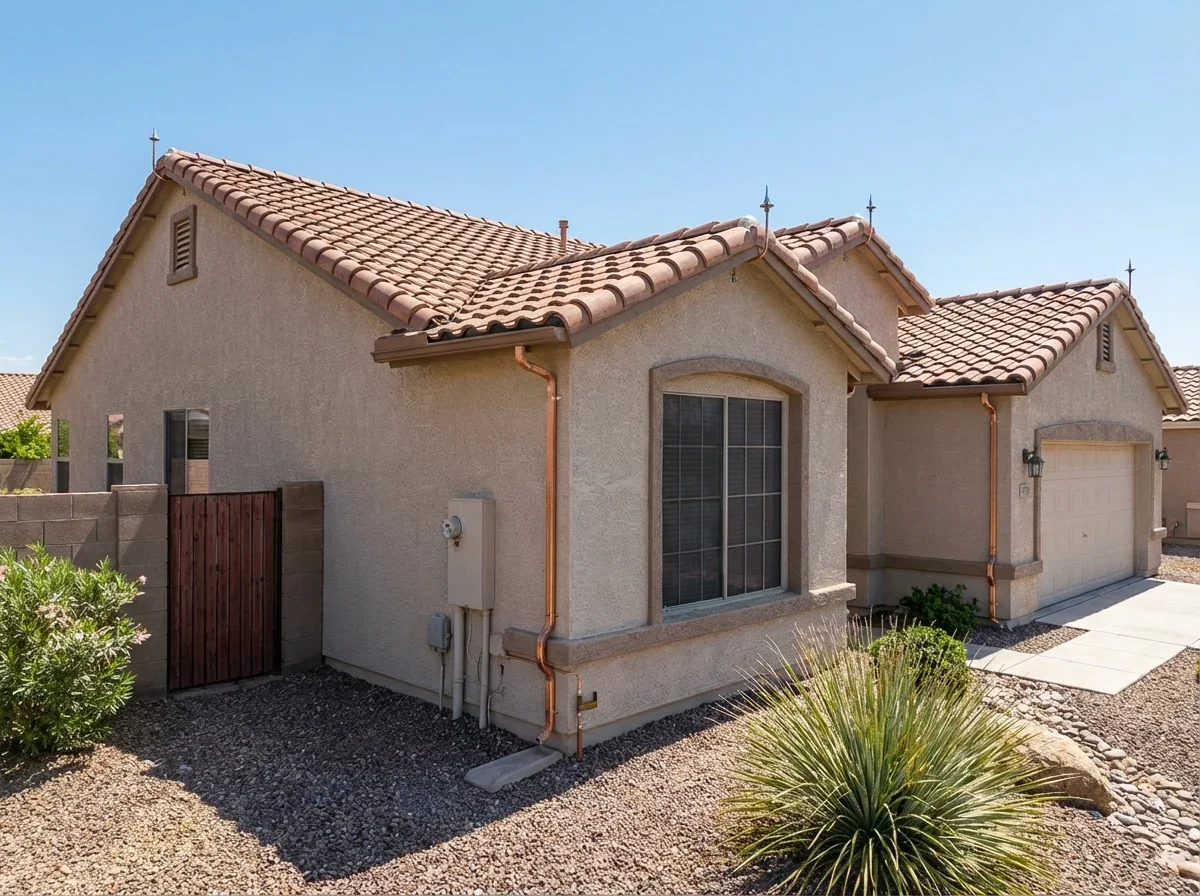
The Lightning Protection Installation Process
Certified installation takes 2-4 days for residential properties, longer for commercial buildings. The work follows NFPA 780 and UL 96A standards — not optional guidelines, actual safety requirements.
Initial Site Assessment and Design
The installer surveys your property to map strike risk zones. They're looking at building height, nearby structures, trees, and exposure. In Mesa or Gilbert, they check for existing grounding systems from solar installations that need integration.
They measure roof dimensions and identify every metallic feature: vents, satellite dishes, HVAC units, plumbing stacks, metal chimneys. Everything metal gets bonded into the system or it becomes a secondary strike point.
Soil testing determines conductivity. The contractor may drive test rods or use resistance meters. Poor conductivity means more extensive grounding, which affects the quote.
You get a design drawing showing air terminal placement, conductor routing, and ground electrode locations. This isn't approximate — placement follows the "cone of protection" principle based on rolling sphere calculations.
System Installation and Grounding
Installation starts with the grounding system. Crews trench around the building perimeter (if accessible) or install multiple isolated ground rods. In Phoenix's caliche soil, this often means drilling rather than driving rods.
Ground rods go 10+ feet deep, bonded together with copper conductor. The ground resistance must test below 25 ohms, preferably under 10 ohms. If testing shows high resistance, installers add more rods or chemical enhancement.
Air terminals mount at roof peaks, edges, and protrusions. On Arizona tile roofs, proper mounting bases prevent tile damage and maintain the roof warranty. Terminals space 20 feet apart maximum, closer on complex rooflines.
Conductor cables (typically 6 AWG copper) route down from the terminals to ground level. At least two down conductors required, more for larger buildings. Routes avoid doors and windows where side-flash might occur.
All metallic building features bond into the system: metal vents, pipes, HVAC condensers, rain gutters. That's critical in Scottsdale homes with metal patio covers or outdoor kitchens.
Testing, Certification, and Insurance Documentation
After installation, the contractor tests ground resistance and verifies all bonds. They provide test results showing the system meets code requirements.
UL Master Label certification involves third-party inspection. The inspector verifies every component meets UL 96A standards and the installation follows NFPA 780. You get a certificate and metal UL label attached to the system.
That documentation goes to your insurance company for policy updates and potential premium discounts. It also transfers to future buyers, protecting your investment.
Most systems require visual inspection every 2-3 years. After significant strikes or any roof work, get the system re-inspected. Desert sun and temperature extremes can degrade connections over time.
✓ Choosing a Contractor
How to Choose a Lightning Protection Contractor in Arizona
Most electricians can't install lightning protection systems. This is specialized work requiring specific training and certification. The wrong installation creates a false sense of security while leaving your building vulnerable.
Look for LPI (Lightning Protection Institute) certified installers. That certification means they've completed training on NFPA 780 standards and current installation practices. Arizona has fewer than 50 LPI-certified installers — this isn't common expertise.
Required Certifications and Standards
The contractor should participate in UL's Master Label Program. That means every installation gets third-party inspection and certification. Some contractors skip this to save money, leaving you with an uncertified system your insurance company won't acknowledge.
Verify they carry lightning protection-specific insurance. Standard electrical contractor insurance often excludes lightning protection work. Ask for proof of coverage including completed operations liability.
Check their NFPA 780 knowledge. Ask specific questions:
- How do you calculate air terminal spacing for a hip roof?
- What ground resistance target do you test for?
- How do you bond a metal roof into the system?
- What conductor gauge do you use for commercial installations?
Vague answers or "we follow code" without specifics means they're not qualified.
Arizona-Specific Experience
Desert installation differs from other climates. The contractor needs experience with:
- Arizona soil conductivity issues and ground enhancement techniques
- Tile roof mounting without compromising roof integrity
- Integration with existing pool electrical systems and outdoor equipment
- Local building permit requirements in Phoenix, Mesa, and surrounding cities
- Solar panel bonding (solar arrays need protection AND proper integration)
Ask for references from recent Arizona installations. Drive by and look at the work. Conductor routing should be neat and minimize visual impact. Ground rod locations make sense. Air terminals blend with the roofline rather than looking like an afterthought.
Warranty and Maintenance Programs
Material warranties should cover at least 20 years — copper components last decades if properly installed. Labor warranties typically run 2-5 years.
Ask about post-strike inspection services. If your building takes a strike, you need immediate inspection to verify system integrity and document any damage for insurance claims.
Some contractors offer maintenance agreements covering annual inspections, connection testing, and minor repairs. For commercial buildings in Chandler or Glendale with complex systems, annual service agreements make sense.
Compare multiple quotes, but don't choose on price alone. A $1,000 cheaper installation that doesn't meet certification standards or uses substandard materials will cost more when it fails during the next monsoon season.
For buildings with fire alarm systems or commercial electrical systems, ensure the contractor coordinates with those installations. Lightning protection must integrate with, not interfere with, other life safety systems.
The right contractor treats this as life safety work, not just another electrical job. They should explain exactly how their system will protect your specific building, show you the test results, and provide documentation that actually means something to your insurance company.
Frequently Asked Questions
Estimate Your Lightning Protection Installation & Repair Cost
Get an instant price range based on your home and project details.